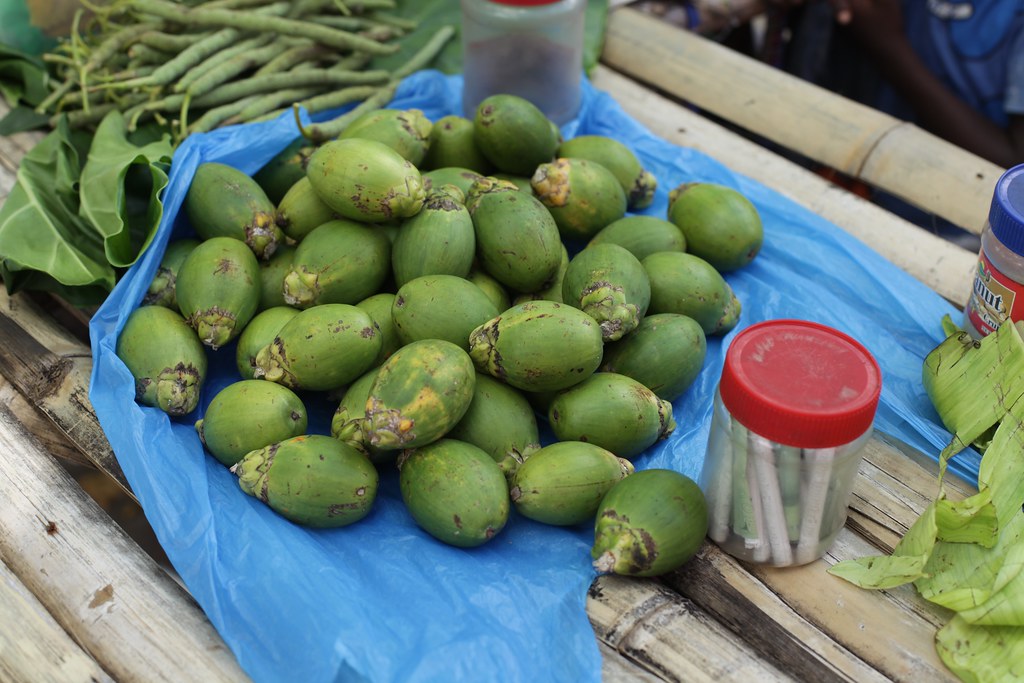
Areca palm seed, often called Areca seed, is the nut of the Betel palm palm tree and bears an essential part in the tradition and economic structure of many countries across Asia. The nut is chewed for its exhilarating impact, specifically when paired with betel quid (a mix of betel leaf and calcium hydroxide) or tobacco. Indonesia as a country, as one of the largest manufacturers of betel seeds, has grown into a key participant in the international supply chain for this resource.
Within the Indonesian archipelago, biting on betel nut, identified as “sirih pinang,” possesses a deep-rooted custom. It regularly used in ceremonies, social functions, and medicinal practices. In provincial areas, notably in Sumatra, the island of Kalimantan, and Sulawesi, the tradition of chewing Areca seed remains deeply ingrained. The kernel has cultural and social importance, commonly functioning as a representation of welcoming or incorporated in cultural rites, like weddings.
In terms of economics, the farming of betel nuts offers livelihoods for numerous smallholder farmers, particularly in provinces like Aceh province, West Sumatra, and North Sulawesi. For these communities, Areca nut acts as a vital commercial crop, boosting their financial means and having a crucial part in community economies.
Indonesia’s tropical tropical climate, fertile earth, and long coastal areas offer the ideal environment for Areca palms to thrive. The growing procedure is straightforward and labor-intensive, entailing planting seedlings, nurturing palm trees, and harvesting the nuts after about five years. Following the harvest, the betel nuts are generally sun-dried, cooked, or fermented, in accordance with the local customs and the demand from the market.
betel nut suppliers in Indonesia sector maintains a diverse supply network, consisting of subsistence farmers, local traders, wholesalers, and exporters. At times, betel nuts are distributed in their fresh state, but usually, they are dehydrated to secure a greater longevity and to accommodate the preferences of international buyers.
Global market demand for betel nut, notably in places such as the country of India, the nation of Pakistan, Taiwan, and different parts of Southeast Asia, continues to rise in recent years. Betel nut is highly sought after in these countries, where its consumption continues to be a cultural tradition, despite the growing awareness of its potential health risks. India in particular is the largest importer of Areca nuts from Indonesia. The betel nuts are processed in various forms, like entire nuts, sliced nuts, or in a powdered state, according to the regional preferences. The practice of chewing betel nut in paan production continues to be prevalent in India, and betel from Indonesia is often preferred for its superior quality and availability.
The island of Taiwan is another expanding market for Areca nuts from Indonesia, where the custom of chewing Areca nut is frequently observed, notably among men in rural areas. Taiwanese traders favor over Areca seeds from Indonesia due to their reduced costs in relation to domestic production. Despite the financial prospects of the betel nut industry, Indonesian suppliers face several obstacles in expanding their customer base and upgrading their supply chains.
Recently, healthcare studies have correlated frequent use of betel nuts with mouth cancers and other medical conditions, sparkling anxieties about its safety. This has caused some countries adopting tighter controls or in some cases prohibitions on the distribution and consumption of Areca nut products. For case in point, the island of Taiwan has introduced initiatives to diminish betel nut chewing due to growing occurrences of mouth cancers. Indonesian suppliers, consequently, confront the hurdle of maneuvering through these guidelines while sustaining their overseas markets.
Though the Indonesian betel nut industry is vast, it lacks consistent quality control standards and standardization protocols. This might cause inconsistent product quality, which influences its worldwide image. Several producers have started embracing more thorough organizing, evaluating, and packaging methods to secure uniformity, but the betel nut sector still has opportunities for enhancement.
In the same way as many farming products, Areca nut farming elicits concerns about forest loss and environmental decline. In various locations, Areca palm groves have grown into previously wooded regions, leading to a decline in biodiversity and interruption of habitats. Resolving these sustainability issues is imperative for the enduring health of the sector.
Indonesia as a nation is by no means the singular country manufacturing betel seed. Several Southeast Asian countries, such as Thailand, Myanmar, and the island nation of Sri Lanka, likewise have booming betel nut markets. Indonesian suppliers must stay competitive by providing top-quality goods, effective supply chains, and competitive pricing to preserve their stake in the global market.
In spite of the difficulties, the outlook remains bright for Indonesia’s betel nut industry. The global market for betel nut is anticipated to remain strong due to the firmly established customs of buyers in key markets. So long as countries like the country of India and Taiwan continue to require premium Areca nuts, Indonesian suppliers are optimally situated to fulfill this market demand.
For the purpose of ensuring ongoing development, Indonesian betel nut suppliers are focusing on revamping their production methods, upgrading standards of quality, and exploring emerging markets. Some firms are allocating resources to advanced systems and physical resources to optimize their operations and boost efficiency. Additionally, there is increasing interest in natural and sustainably sourced products, which could offer new prospects for producers in Indonesia prepared to adopt environmentally friendly methods.
Indonesia’s Areca nut sector is a significant factor to both the local and world economy. It delivers jobs to multitudes of smallholder farmers and addresses the demand of foreign markets, particularly in India and the island of Taiwan. However, hurdles such as health concerns, government regulations, and rivalry in the market must be addressed for the industry to succeed in the long run. By concentrating on environmental sustainability, standards of quality, and innovation, Indonesian betel nut suppliers can maintain to play a crucial role in the global supply chain.
 Rumah Kita