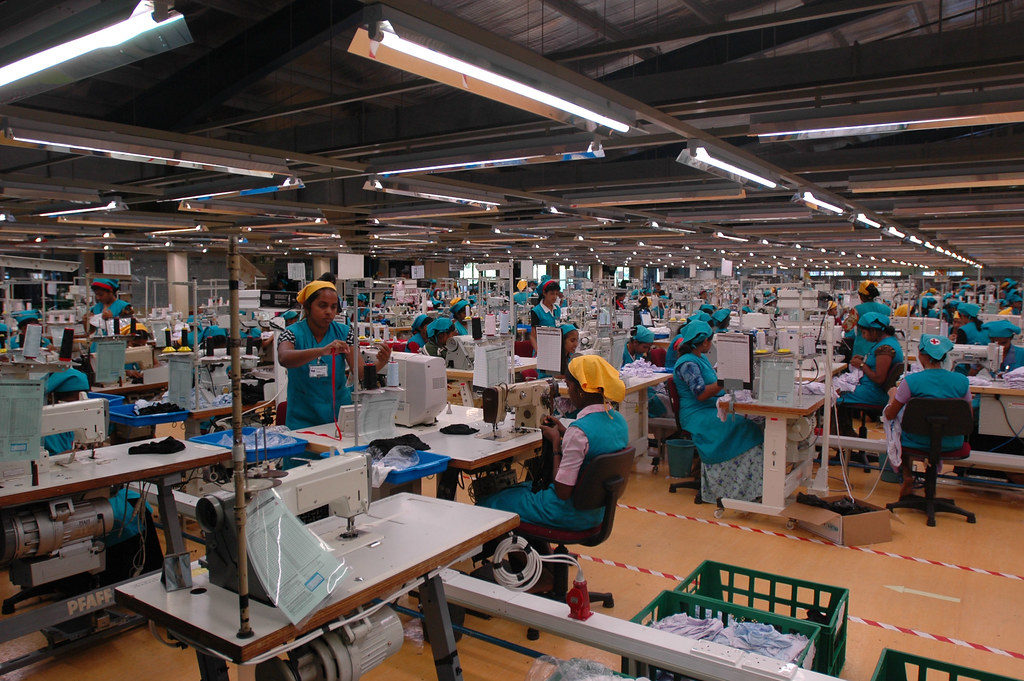
The Indonesian paradise of Bali, the Indonesian island utopia famous for its breathtaking views, lively way of life, and warm reception, has evolved into beyond being just one tourist destination. Over the past few years, it has risen as the epicenter of the global clothing sector, offering an exceptional fusion of age-old artistry and modern innovation. This piece dives into the evolution of the island’s garment sector and the part it plays in upholding cultural heritage while adjusting to worldwide needs.
This story of the island’s clothing sector starts with its prosperous fabric legacy, deeply ingrained in the island’s culture. For ages, the people of Bali craftsmen have been consistently perfecting the island’s craft of fabricating and coloring, creating intricate patterns and arrangements that represent their religious beliefs and daily lifestyle. The age-old ikat and batik approaches, defined by their ornate designs and dynamic shades, have been handed down through generations.
When the island of Bali opened its doors to the international community, Bali’s proficient artisans acknowledged the commercial potential of their craft. What used to be a small-scale trade changed into a thriving apparel sector. Resident weavers and artisans joined forces with entrepreneurs to create small-scale fabric companies. This transition marked the onset of the island’s venture into the global fashion industry.
One of the distinctive aspects of the island’s apparel business is its dedication to protecting the island of Bali’s unique aesthetic quality. The Balinese island’s garments are not merely products; they are adornable masterpieces that narrate an account. Time-honored patterns drawn from the natural world, mythology, and spiritual beliefs are merged into contemporary designs, forming an amalgamation of past and current.
During an era when environmental responsibility is paramount, Bali apparel business has also made significant strides. Many Bali-based brands are dedicated to eco-friendly practices. Environmentally friendly dyes derived from plants and traditional dyeing techniques minimize the carbon emissions. Moreover, local craftspeople use organic fabrics, making sure that production is environmentally sustainable.
What makes the Balinese island’s clothing sector unique is its emphasis on handcrafted craftsmanship. Each piece is handmade with careful meticulous attention to details. Balinese craftspeople are proud in their work, ensuring that every single apparel complies with the highest standards of excellence. This dedication to craftsmanship is more than just an affirmation to their skill but also a mirror image of the island’s resilient sense of community and tradition.
While the Balinese island’s garment industry stays deeply rooted in its customs, it has also expanded its perspectives globally. The has turned into a sought-after spot for international designers and brands looking for to collaborate with native artisans. This blending of worldwide design sensibilities and Balinese craftsmanship has led in a diverse range of items that appeal to an extensive audience.
Like any sector, Bali’s apparel sector encounters its share of obstacles. The current COVID-19 pandemic disrupted worldwide supply chains, affecting manufacturing and revenue. Furthermore, the competitive nature of the sector requires that companies must constantly innovate and evolve to changing client preferences.
Nevertheless, these hurdles have also spurred creativity and adaptability within the Balinese island’s apparel industry. Several companies have embraced e-commerce platforms, allowing them to access a wider audience outside of the island’s borders. Moreover, partnerships with international organizations and initiatives advocating fair trade have aided address societal and economic issues within the sector.
As the Balinese island’s garment industry keeps evolve, there is a shared devotion to maintaining the island’s ethnical heritage. Craftsmen and entrepreneurs realize the relevance of passing down traditional techniques to the next generation. Training sessions and training programs have been founded to assure that the skill of weaving and dyeing thrives for years to come.
To sum up, Bali’s garment industry is an enchanting fusion of heritage and creativity. It more than just exhibits the island’s vibrant cultural heritage but also illustrates its ability to evolve to the ever-changing global fashion environment. The Balinese island’s artisans and entrepreneurs have woven an intricate fabric that narrates the narrative of Bali, and in the course of action, they have created a legacy that goes beyond borders and time.
 Rumah Kita